-
-
-
P.O. Box 1277, Morogoro
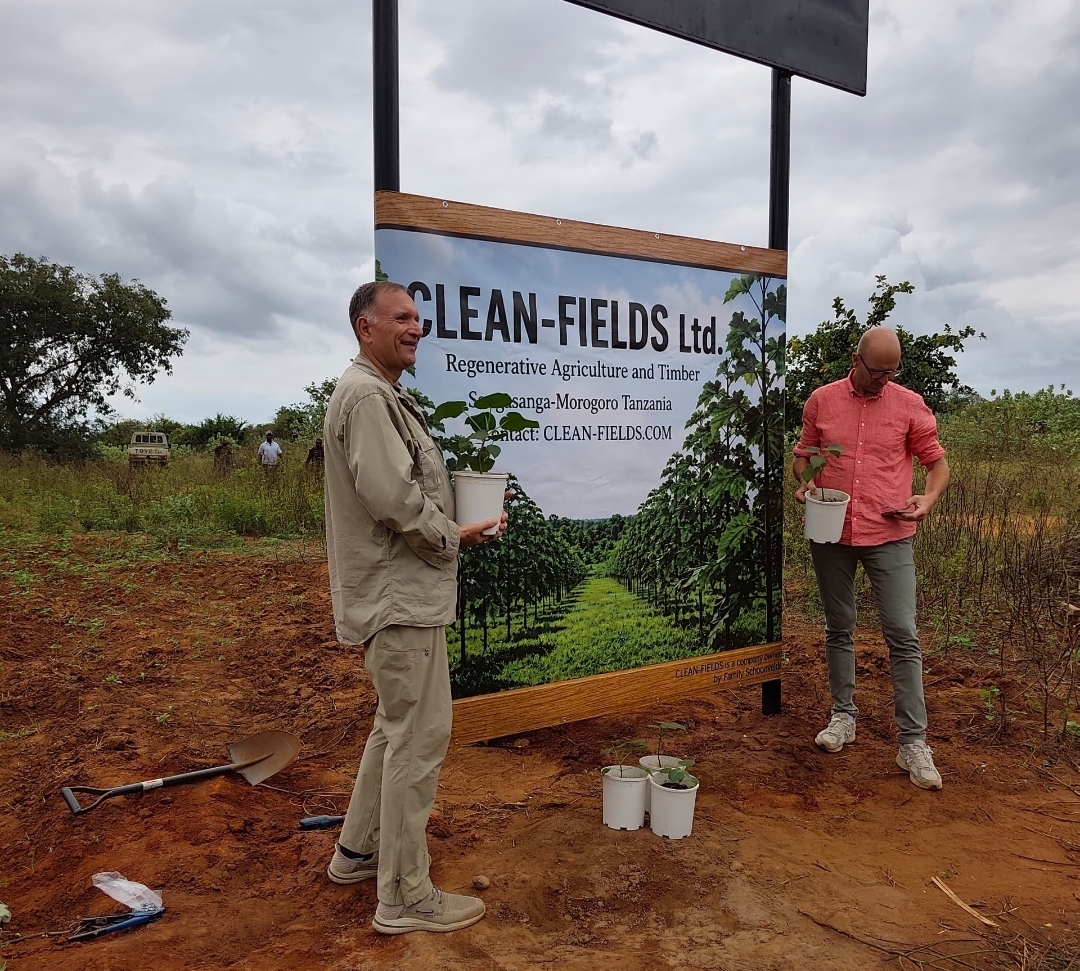
Strategic Consultation Meeting with CLEAN-FIELDS LTD to Explore Partnership Opportunities
Project Start Date
03 Jul, 2026
Project End Date
04 Jul, 2026
Category
Consultation
Client
CLEAN-FIELDS LTD
Project Value
-
Location
Morogoro
AgriScape Innovations Company Limited (ASI Co. Ltd.) recently conducted a strategic consultation meeting with CLEAN-FIELDS LTD as part of ongoing efforts to establish a long-term partnership aimed at promoting sustainable agricultural development and strengthening agribusiness services.
The consultation brought together representatives from both organizations to discuss areas of mutual interest and identify practical opportunities for collaboration. The meeting focused on developing a structured framework that will enable the two companies to leverage their respective expertise, resources, and experience to enhance agricultural productivity and support commercial farming initiatives.
Speaking after the consultation, representatives from both organizations expressed their commitment to building a productive partnership founded on innovation, professionalism, and shared goals of advancing sustainable agriculture. The discussions highlighted the importance of strategic collaboration in addressing emerging challenges within the agricultural sector while creating opportunities for improved productivity, knowledge exchange, and business growth.
The consultation marks an important milestone toward formalizing a collaborative relationship that is expected to contribute significantly to agricultural transformation through improved access to quality planting materials, professional farm management services, technical expertise, and continuous capacity development.
AgriScape Innovations Company Limited remains committed to working with public and private sector partners to deliver innovative, practical, and sustainable agricultural solutions that empower farmers, agribusinesses, and institutions across Tanzania and beyond.
Together, we cultivate innovation, strengthen partnerships, and transform agriculture for a sustainable future.
Empowering Future Agribusiness Professionals through Hands-On Training and Innovation
Project Start Date
18 Apr, 2026
Project End Date
18 Jun, 2026
Category
Training
Client
Jabir Ameir Idrissa
Project Value
-
Location
Morogoro
Introduction
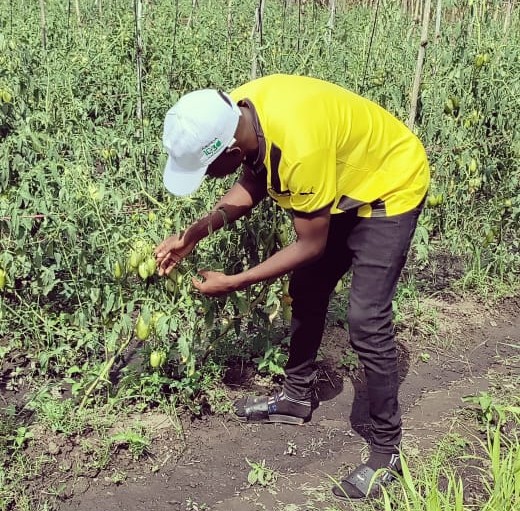
AgriScape Innovations Company Limited (ASI Co. Ltd.) proudly recognized Mr. Jabir Ameir Idrissa for successfully completing a comprehensive two-month training program on Agricultural Production, Management, and Marketing conducted at the company's headquarters in Morogoro, Tanzania. The training was undertaken from 18 April 2026 to 18 June 2026 and was designed to equip participants with practical skills, technical knowledge, and professional competencies required to excel in modern agriculture and agribusiness. The program combined classroom instruction, field demonstrations, hands-on practical activities, and mentorship from experienced agricultural professionals.
Building Practical Skills in Modern Agriculture
Throughout the training period, Mr. Jabir actively participated in various agricultural production activities aimed at enhancing his understanding of crop production systems and sustainable farming practices. The training covered key areas including land preparation, nursery establishment and management, seedling production, crop husbandry, soil fertility management, irrigation practices, pest and disease management, and post-harvest handling techniques. He gained practical experience in nursery management and plant propagation techniques, including seed sowing, transplanting, budding, grafting, and proper seedling care. These activities provided valuable exposure to quality planting material production, which plays a crucial role in improving agricultural productivity and farm profitability. In addition, the trainee participated in field operations involving crop establishment, monitoring plant growth, weed management, and implementation of good agricultural practices (GAPs).
Agricultural Management Competencies
The trainee further developed an understanding of agricultural technologies and innovations that support modern farming systems, including irrigation technologies, climate-smart agricultural practices, environmental conservation, and sustainable resource management.Through practical exercises, he learned the importance of efficient resource utilization, production planning, risk management, and decision-making processes that contribute to sustainable agricultural development.
Agricultural Marketing and Agribusiness
Mr. Jabir acquired knowledge on market analysis, value chain development, product quality standards, customer relations, pricing strategies, and agribusiness entrepreneurship. Trainee also learned practical approaches for improving product value, accessing markets, and increasing profitability through effective marketing strategies.
Commitment to Agricultural Development
AgriScape Innovations Company Limited remains committed to providing high-quality training, mentorship, and practical learning opportunities for students, graduates, farmers, entrepreneurs, and agricultural professionals. Through training and capacity-building programs, the company continues to empower individuals with the knowledge and skills needed to transform agriculture, improve livelihoods, and contribute to sustainable development.
AgriScape team; congratulate Mr. Jabir Ameir Idrissa on the successful completion of his training and wish him continued success in his future agricultural and professional endeavors.
Building Resilient Communities through the Integrated Forest and Biomass Energy Solution for Tanzania (IFBEST)
Project Start Date
30 Mar, 2026
Project End Date
30 May, 2026
Category
Client
Tanzania Forest Conservation Group (TFCG)
Project Value
-
Location
Tanga Region
Project Partner
The Integrated Forest and Biomass Energy Solution for Tanzania (IFBEST) Project, implemented under the auspices of the Tanzania Forest Conservation Group (TFCG).
1. Executive Summary
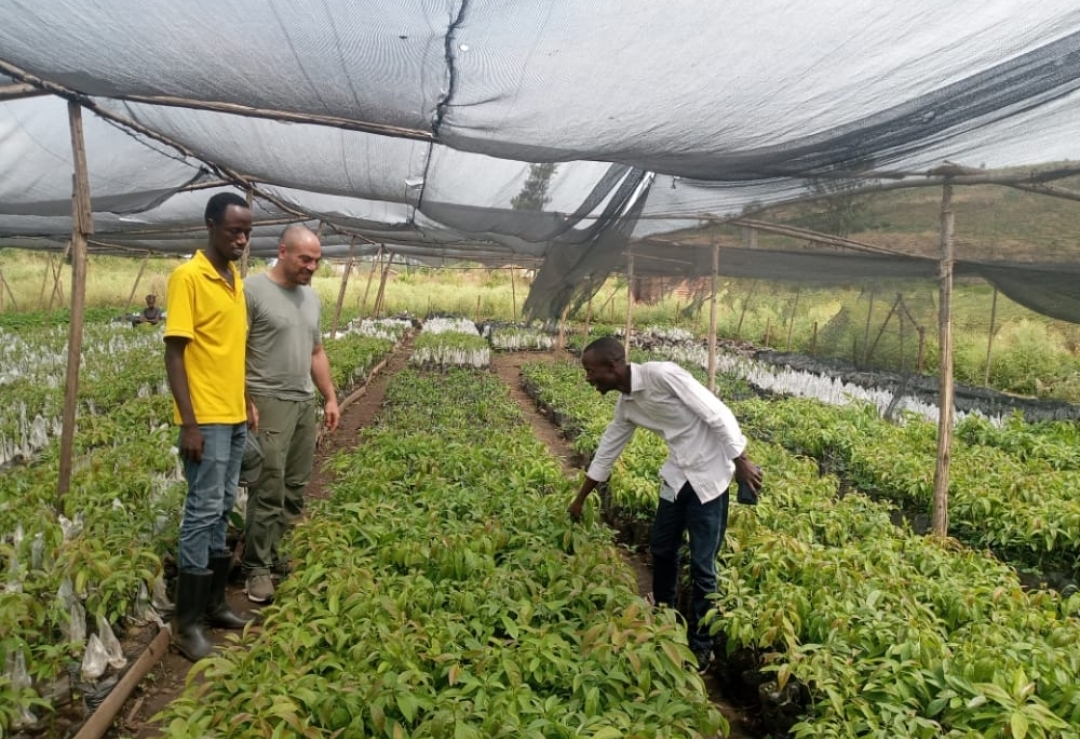
AgriScape Innovations Company Limited successfully participated in the implementation of the Integrated Forest and Biomass Energy Solution for Tanzania (IFBEST) Project through the production and supply of high-quality fruit tree seedlings. The intervention aimed to support environmental conservation, sustainable land management, climate resilience, household nutrition improvement, and income generation among beneficiary communities.
The project involved the supply of a total of 23,160 fruit tree seedlings delivered in two implementation phases. The seedlings supplied included improved varieties of mango and orange trees selected for their adaptability, productivity, market value, and suitability to local agro-ecological conditions.
The successful completion of this assignment contributed to the project's broader objectives of promoting agroforestry practices, enhancing biodiversity conservation, supporting forest restoration efforts, and improving livelihoods through sustainable fruit production.
2. Project Background
The Integrated Forest and Biomass Energy Solution for Tanzania (IFBEST) Project seeks to address challenges associated with forest degradation, unsustainable biomass utilization, and climate change impacts through integrated environmental conservation and livelihood improvement interventions.
As part of these efforts, fruit tree planting was identified as a strategic component for promoting agroforestry systems that provide both ecological and economic benefits. Fruit trees contribute to carbon sequestration, soil conservation, biodiversity enhancement, and household income generation while improving food and nutritional security. To support these objectives, AgriScape Innovations Company Limited was contracted to produce and supply quality fruit seedlings for distribution to project beneficiaries.
3. Project Objectives
The primary objectives of the seedling supply component were:
• To provide high-quality fruit tree seedlings to project beneficiaries.
• To promote agroforestry and sustainable land-use practices.
• To enhance household nutrition through increased fruit production.
• To improve income opportunities for farming households.
• To contribute to environmental conservation and climate change mitigation.
• To support long-term forest restoration and landscape management initiatives.
4. Seedling Varieties Supplied
A. Mango Seedlings
The project supplied improved mango seedlings of the Tommy, Dodo, Red Indian, and Kent varieties, selected for their high yield potential, excellent fruit quality, strong market demand, and adaptability to diverse agro-ecological conditions. The initiative aims to enhance food security, nutrition, income generation, and long-term economic resilience among beneficiary communities while promoting sustainable agroforestry practices.
B. Orange Seedlings
The project supplied improved orange seedlings of the Valencia, Matombo Sweet, and Msasa varieties, selected for their high productivity, excellent fruit quality, disease tolerance, and strong market demand. Their adaptability to local growing conditions supports increased fruit production, improved nutrition, sustainable agricultural development, and enhanced income-generating opportunities for beneficiary communities.
5. Project Implementation
The project was implemented in two phases to ensure timely production, quality assurance, and efficient delivery of planting materials.
Project Phase I: 30th March- 14th April 2026
Under Phase I of the project, implemented from 30 March to 14th April 2026, AgriScape Innovations Company Limited successfully produced and supplied 11,210 high-quality fruit tree seedlings. The seedlings were raised under proper nursery management practices and subjected to quality assessment before delivery to ensure healthy growth, vigor, and high survival rates after transplanting. The timely supply of seedlings supported the IFBEST project's goals of promoting agroforestry, environmental conservation, and sustainable livelihood development, enabling beneficiaries to establish fruit orchards, enhance food security, generate income, and contribute to ecosystem restoration.
Project Phase II: 21st May-30th May 2026
Between 21 May 2026 and 30 May 2026, AgriScape Innovations Company Limited supplied 11,960 fruit tree seedlings in Mkata, Handeni. The seedlings were produced under strict quality standards and delivered on schedule, supporting agroforestry adoption, environmental conservation, improved nutrition, and sustainable income generation for beneficiary communities.
6. Quality Assurance Measures
AgriScape Innovations Company Limited implemented comprehensive quality assurance measures to ensure the production and delivery of healthy, vigorous, and productive seedlings. These included the selection of quality mother plants, use of certified disease-free propagation materials, proper nursery management, regular irrigation and nutrient management, continuous pest and disease monitoring, seedling grading before delivery, and careful handling during transportation. These measures ensured high-quality planting materials with strong survival and establishment potential for beneficiaries.
7. Expected Project Outcomes
The supplied fruit tree seedlings are expected to generate significant environmental, economic, and social benefits. These include increased tree cover, improved carbon sequestration, enhanced biodiversity, and better soil and water conservation. Economically, the project is anticipated to increase household income through fruit sales, diversify farm enterprises, expand market opportunities, and support sustainable agricultural production. Socially, the seedlings will improve access to nutritious fruits, enhance household food security and dietary diversity, and strengthen community resilience to climate-related challenges.
8. Challenges and Mitigation
Despite the relatively short implementation period, the project was successfully completed through effective planning and coordination. Key operational challenges included seedling transportation logistics, varying weather conditions, and strict delivery schedules. These challenges were addressed through advance nursery preparation, proper packaging, coordinated transportation arrangements, and close communication with project stakeholders.
9. Conclusion
AgriScape Innovations Company Limited successfully fulfilled its role in the Integrated Forest and Biomass Energy Solution for Tanzania (IFBEST) Project by producing and supplying 23, 170 quality fruit tree seedlings between 30 March 2026 and 30 May 2026. The project has laid a strong foundation for promoting agroforestry, environmental conservation, sustainable livelihoods, and improved food and nutritional security among beneficiary communities. AgriScape appreciates the opportunity to collaborate with the Tanzania Forest Conservation Group (TFCG) and other project stakeholders in advancing sustainable forestry and agricultural development initiatives in Tanzania.
Greenhouse Farming: How to Maximize Crop Production Year-Round
Project Start Date
25 Feb, 2026
Project End Date
27 Feb, 2026
Category
Farming Tips
Client
Agripreneurs
Project Value
-
Location
Online Training
Farming comes with many challenges, including unpredictable weather patterns, pest infestations, plant diseases, and seasonal limitations that can significantly affect crop yield and quality. Excessive rainfall, prolonged droughts, strong winds, and extreme temperatures often lead to reduced productivity and financial losses for farmers. In addition, open-field farming exposes crops to harmful pests and diseases, increasing the need for chemical pesticides and raising production costs.
Seasonal farming also limits the availability of fresh produce throughout the year, making it difficult for farmers to maintain consistent production and stable income. Water scarcity, poor soil conditions, and changing climate patterns further increase the challenges faced by modern farmers.
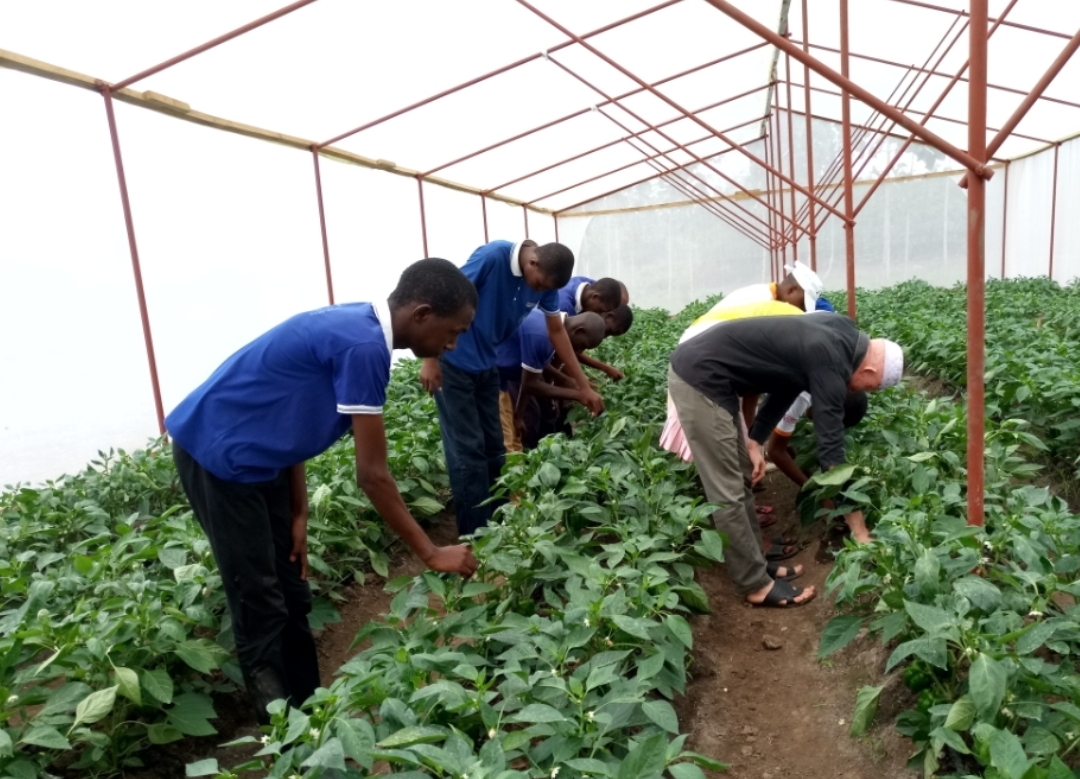
Greenhouse farming offers a reliable and sustainable solution to these problems by creating a controlled environment where crops can grow under optimal conditions. With proper temperature regulation, irrigation systems, ventilation, and pest management, farmers can produce high-quality crops consistently throughout the year while reducing risks associated with traditional farming methods.
At AgriScape Innovations Company Limited (ASI Co. Ltd), specializes in the design and construction of modern greenhouse systems that support high-efficiency and climate-controlled crop production. In this Farming Tips Article, we explore how greenhouse farming can transform your farm and help you achieve consistent year-round production.
1. What is Greenhouse Farming?
Greenhouse farming involves growing crops inside specially designed structures made from transparent materials such as plastic or glass. These structures allow sunlight to enter while trapping heat, creating an ideal environment for plant growth. By controlling environmental factors such as temperature, humidity, ventilation, and light intensity, farmers can protect crops from harsh weather conditions, pests, and diseases while promoting healthy and consistent growth.
2. Benefits of Greenhouse Farming
Controlled Temperature, Humidity, and Lighting Conditions. Greenhouses allow farmers to regulate environmental conditions such as temperature, humidity, and light intensity to support healthy crop growth. This creates an ideal environment for plants, leading to better growth rates and higher productivity. Crops can grow consistently without being affected by sudden weather changes.
Protection from Extreme Weather Conditions. Greenhouses protect crops from heavy rains, strong winds, excessive sunlight, drought, and other harsh weather conditions. This reduces crop damage and minimizes losses caused by unpredictable climate changes. Farmers can maintain stable production throughout the year.
Reduced Pest and Disease Pressure. The enclosed greenhouse environment limits the entry of pests and disease-causing organisms. This helps farmers reduce the frequent use of chemical pesticides, resulting in healthier crops and lower production costs. It also promotes safer and more environmentally friendly farming practices.
Increased Crop Yields and Improved Produce Quality. Crops grown in greenhouses often produce higher yields due to better growing conditions and proper crop management. Fruits and vegetables are usually healthier, cleaner, and of higher market quality. This increases farmers’ profitability and market competitiveness.
Year-Round Production. Unlike traditional farming, greenhouse farming is not heavily affected by seasonal changes. Farmers can grow crops continuously throughout the year and supply produce even during off-seasons. This ensures a more reliable source of income and stable food production.
Efficient Use of Water and Fertilizers. Modern greenhouse systems use advanced irrigation technologies such as drip irrigation, which delivers water and nutrients directly to plant roots. This reduces water wastage and improves fertilizer efficiency. As a result, farmers can lower production costs while conserving important natural resources.
Greenhouse Farming in Tanzania
Greenhouse farming in Tanzania is highly suitable for high-value horticultural crops due to favorable market demand and improved growing conditions. Farmers can successfully produce vegetables, fruits, herbs, and flowers with higher yields and better quality.
1. Tomatoes
Tomatoes are one of the most common and profitable greenhouse crops in Tanzania because they grow well under controlled conditions and have high market demand throughout the year. Greenhouse farming helps reduce diseases and improves fruit quality and yield. Common tomato varieties grown in greenhouses include Tanya, Anna F1, Assila F1, and Zara F1.
2. Sweet Peppers (Capsicum)
Perform very well in greenhouses because they require stable temperatures and proper moisture levels for healthy growth. Greenhouse production helps farmers produce high-quality peppers with better color and size. Popular varieties include California Wonder, Buffalo F1, and Red Knight F1.
3. Cucumbers
Grow quickly and produce high yields in greenhouse environments with proper irrigation and support systems. They are highly demanded in hotels, supermarkets, and local markets. Common cucumber varieties grown in Tanzania include Murano F1, Ashley, and Kyoto F1.
4. Lettuce
Fast-growing leafy vegetable that performs well in cool and controlled greenhouse conditions. Greenhouse farming helps maintain leaf quality and reduces damage from pests and harsh weather. Popular lettuce varieties include Great Lakes, Romaine, and Iceberg.
5. Strawberries
This can be successfully grown in greenhouses, especially in cooler regions and highland areas of Tanzania. Greenhouses protect the fruits from excessive rain and pests, improving fruit quality and shelf life. Common varieties include Chandler, Albion, and Sweet Charlie.
6. Herbs and Spices
Herbs such as basil, coriander, mint, and parsley grow well in greenhouses because they require controlled moisture and temperature conditions. These crops are highly demanded in restaurants, hotels, and supermarkets. Greenhouse farming improves freshness, quality, and continuous production.
7. Leafy Vegetables Leafy
For example: spinach, kale, Swiss chard, and Chinese cabbage grow rapidly in greenhouse conditions. Greenhouses help protect the crops from pests and heavy rains while ensuring healthy leaf development. Farmers can harvest these vegetables several times throughout the year.
8. Flowers (Floriculture)
For example: roses, carnations, lilies, and chrysanthemums are commonly grown in greenhouses for local and export markets. Greenhouse conditions help improve flower quality, color, and durability. Floriculture is a profitable greenhouse farming business in Tanzania due to the growing demand for fresh flowers.
Conclusion
Greenhouse farming is a valuable investment for farmers seeking to improve productivity, minimize losses, and maintain a steady supply of high-quality fresh produce throughout the year.
Building International Relationship through Agri-Tourism Program
Project Start Date
02 Feb, 2026
Project End Date
02 Apr, 2026
Category
Program
Client
Danish Students
Project Value
-
Location
Morogoro, Tanzania
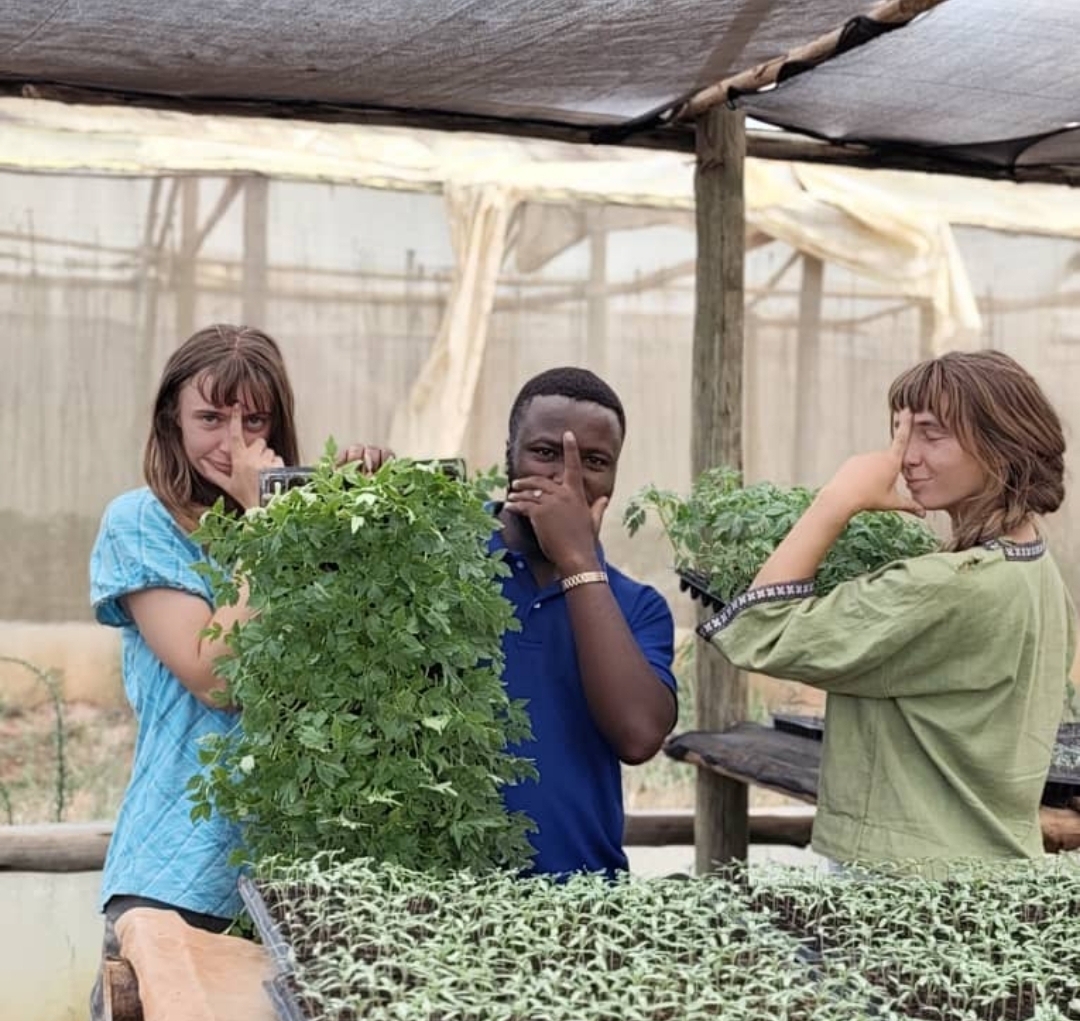
AgriScape Innovations Company Limited (ASI Co. Ltd.) proudly hosted two students from Denmark, Sarah and Thea, who successfully participated in the company's Agri-Tourism Volunteer Program in Morogoro, Tanzania. The program provided a unique opportunity for international students to gain practical agricultural experience, engage in cultural exchange, and explore Tanzania’s rich natural and agricultural heritage.
During their stay, Sarah and Thea actively participated in a wide range of agricultural training and field activities designed to enhance their understanding of sustainable agriculture, agribusiness, and rural development. The students worked closely with AgriScape's technical team and acquired hands-on experience in nursery management, plant propagation, budding and grafting techniques, greenhouse technologies, irrigation systems, environmental conservation, and farm management practices.
One of the key highlights of the program was their involvement in nursery production and planting material management. The students learned how quality seedlings are produced and managed to support agricultural productivity and sustainability. They also gained practical skills in identifying various crop species, ornamental plants, and fruit trees commonly grown in Tanzania.
The program further exposed the students to modern agricultural technologies and climate-smart farming practices. They participated in greenhouse management activities and observed the installation and operation of irrigation systems that help farmers improve crop production while conserving water resources. Through these experiences, they gained valuable insights into how innovation and technology can contribute to sustainable agricultural development.
Beyond the technical training, the Agri-Tourism Program provided a platform for meaningful cultural exchange. The students interacted with local farmers, youth groups, and community members, enabling them to learn about Tanzanian traditions, agricultural practices, and daily life. They experienced the hospitality and cultural diversity of Morogoro and gained a deeper appreciation of the important role agriculture plays in supporting rural livelihoods and community development.
The program also included educational and recreational visits to some of Morogoro’s most attractive tourist destinations. Sarah and Thea visited the scenic Uluguru Mountains, explored the beautiful Choma Waterfalls, and enjoyed a wildlife safari at Mikumi National Park. These excursions allowed them to experience Tanzania’s unique biodiversity, natural beauty, and tourism potential while complementing their agricultural learning experience.
Upon completion of the program, Sarah and Thea expressed their appreciation for the opportunity to learn, volunteer, and experience life in Tanzania. They highlighted the practical agricultural skills they acquired, the friendships they developed, and the cultural experiences they enjoyed as some of the most valuable aspects of their stay.
AgriScape Innovations Company Limited was honored to host the students and remains committed to promoting international learning, youth empowerment, agricultural innovation, and cultural exchange through its Agri-Tourism and Volunteer Programs. The company continues to welcome students, researchers, professionals, and visitors from around the world who wish to gain practical experience in agriculture while exploring Tanzania’s rich cultural and natural heritage.
Fruit Tree Seedlings Supply and Orchard Establishment Project: DMI Sisters Farm
Project Start Date
05 Aug, 2025
Project End Date
10 Sep, 2025
Category
Client
DMI Sisters Farm
Project Value
-
Location
Mlandizi, Pwani
Project Description
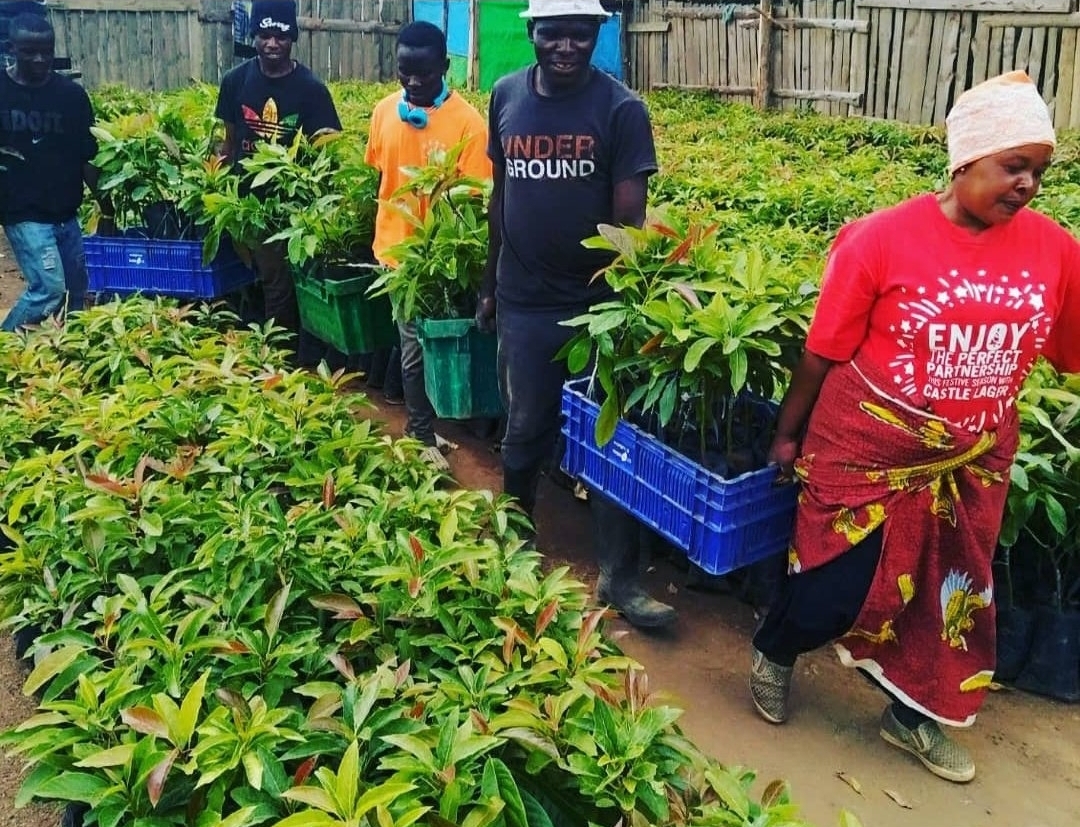
This project involved the supply and establishment support of 6,000 improved fruit tree seedlings to the DMI Sisters Farm located in Visiga, Mlandizi, Pwani Region. The initiative was implemented over a period of one year with the objective of enhancing fruit production, supporting sustainable land use, and strengthening the farm’s long-term agroforestry and income-generating capacity. The project focused on improving access to high-quality planting materials and ensuring proper establishment of fruit orchards through structured distribution and technical support. It contributed to the development of a diversified and climate-resilient farming system within the farm.
Project Key Activities
1. Sourcing and Nursery Preparation of Seedlings
The project sourced and prepared 6,000 high-quality improved fruit tree seedlings from reliable nurseries. The seedlings were inspected, sorted, and prepared properly to ensure healthy planting materials and high survival rates.
2. Transportation and Delivery of Seedlings
The seedlings were carefully transported and delivered to the farm site using proper handling methods. This helped protect the seedlings from damage and maintained their quality during transit.
3. Orchard Layout Planning on the Farm
The farm was planned and marked systematically to ensure proper orchard layout and spacing. Seedlings were distributed strategically to support efficient farm management and healthy tree growth.
4. Orchard Establishment and Management
Technical support was provided on proper planting methods, spacing, watering, and early tree management practices. This guidance helped improve orchard establishment and promote healthy seedling development.
5. Ongoing Advisory Support
During the establishment period continuous technical and advisory support was provided throughout the establishment phase of the orchard. Regular farm visits helped address challenges and ensure proper management practices were followed.
6. General Farm Monitoring
Over one year, the project monitored seedling survival and growth performance over a one-year period. Regular assessments helped evaluate orchard progress and identify areas needing improvement.
Project Achievements
1. Successfully Supplied and Established 6,000 Fruit Tree Orchard
The project successfully supplied and planted 6,000 fruit tree seedlings at the farm. This establishment created a strong foundation for long-term orchard development and future fruit production activities.
2. Improved Orchard Establishment and Survival Rates
Through Technical Support Technical guidance was provided on proper planting, irrigation, spacing, and maintenance practices. This support improved seedling survival rates and ensured healthy growth and proper orchard establishment.
3. Strengthened the Farm’s Capacity for Long-Term Fruit Production
The project enhanced the farm’s ability to sustain continuous fruit production in the future. Proper orchard planning and management practices contributed to improved agricultural productivity and sustainability.
4. Enhanced Agroforestry Practices within the DMI Sisters Farm
The integration of fruit trees into the farming system promoted agroforestry and environmental conservation practices. This helped improve land use efficiency, soil protection, and overall ecological sustainability on the farm.
5. Increased Potential for Future Fruit-Based Income Generation
The established orchard created opportunities for future income through the sale of fruits and related products. This can support economic sustainability and improve the farm’s long-term financial capacity.
Project Impacts
The project significantly contributed to the development of a sustainable fruit production system at the DMI Sisters Farm. It improved land utilization through perennial crop establishment and promoted environmental conservation through tree planting. Over time, the established orchards are expected to provide both nutritional and economic benefits through fruit harvesting and sales. Additionally, the project supported climate-smart agriculture by increasing tree cover, improving soil health, and enhancing ecological balance within the farm ecosystem.
Strategic Importance
This project demonstrated strong capacity in large-scale fruit seedling supply, orchard establishment, and long-term agricultural support services. It highlighted the importance of integrating technical guidance with input supply to ensure successful plantation establishment. The project also reinforced the role of institutional farms in promoting sustainable agriculture and community development.
Lessons and Future Opportunities
The implementation of this project showed that successful orchard establishment depends not only on seedling supply but also on continuous technical support and proper farm management practices. It emphasized the importance of monitoring seedling survival rates and providing early-stage care to improve long-term productivity. Future opportunities include expanding into full orchard development packages, integrating irrigation systems for fruit farms, and introducing value chain development initiatives such as fruit processing and marketing support. There is also potential for scaling similar agroforestry projects to other institutional and community farms across the region.
NSI Project: Advancing Sustainable Agriculture Through Greenhouse and Fish Pond Construction
Project Start Date
10 Oct, 2024
Project End Date
18 Oct, 2024
Category
Client
NSI-Morogoro
Project Value
-
Location
Morogoro
Project Description
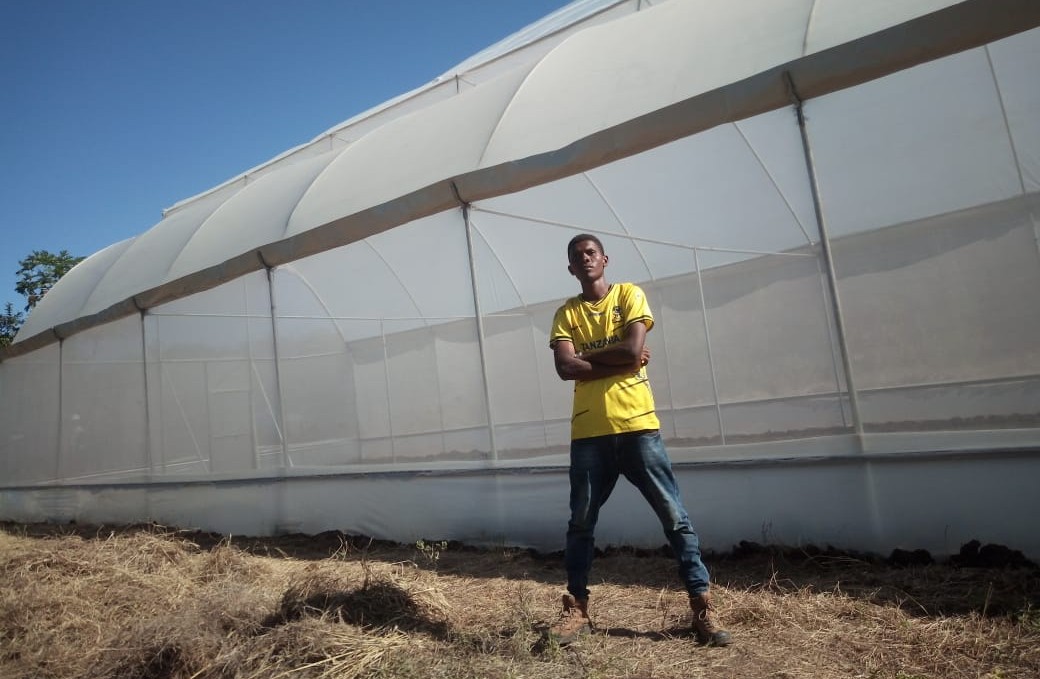
This project involved the installation of two fully functional screen houses alongside the construction of a fish pond lined with a durable pond liner at the National Sugar Institute (NSI). The intervention was designed to establish an integrated demonstration site for modern agricultural technologies, combining protected crop production and aquaculture systems in one facility.
The screen houses were constructed to provide controlled growing environments for horticultural crops, enabling protection from pests, diseases, and adverse weather conditions while improving productivity and crop quality. At the same time, the fish pond was excavated and lined using a high-quality pond liner to ensure water retention efficiency, reduce seepage, and support sustainable fish farming practices.
The overall objective of the project was to promote practical learning, research, and demonstration of climate-smart and resource-efficient agricultural technologies. By integrating both crop production and aquaculture components, the project provided a model system for training students, researchers, and farmers on modern, intensive, and sustainable farming methods.
Project Execution Activities
Project Planning and Site Assessment
Agriscape Innovations Company Limited commenced the project with comprehensive planning and technical site assessments at the National Sugar Institute (NSI). This phase involved evaluating the suitability of the proposed locations for the construction of two screenhouses and the fish pond facility. Soil condition analysis, drainage assessment, environmental considerations, and project design specifications were carefully reviewed to ensure the successful implementation of the agricultural infrastructure project.
Procurement of Construction Materials
Following the planning phase, ASI Co. Ltd coordinated the procurement and supply of high-quality construction materials and agricultural equipment required for the project. Materials supplied included galvanized steel components for the screenhouses, insect-proof netting materials, irrigation accessories, pond liner materials, water control systems, and other essential construction inputs. The company ensured that all materials met the required technical standards for durability and operational efficiency.
Installation of Two Modern Screenhouses
ASI Co. Ltd successfully executed the installation of two modern agricultural screenhouses designed to support improved crop production, research activities, and controlled-environment farming practices. The screenhouses were constructed using durable steel frameworks and high-quality screening materials to provide protection against pests, harsh weather conditions, and crop diseases. The facilities were designed to enhance agricultural productivity and support research and training activities at NSI.
Fish Pond Excavation and Pond Liner Installation
The company carried out the excavation and construction of the fish pond facility, including the installation of a high-performance pond liner system. The pond liner was carefully installed to prevent water seepage, improve water retention, and enhance aquaculture management efficiency. The construction process included pond shaping, leveling, embankment reinforcement, and installation of water inlet and outlet channels to ensure sustainable fish farming operations.
Water Management System Development
As part of the integrated agricultural infrastructure development, ASI Co. Ltd implemented water management and irrigation support systems for both the screenhouses and fish pond facility. This included the installation of water supply connections, drainage channels, and irrigation components necessary for efficient crop cultivation and aquaculture activities. The systems were designed to optimize water usage and support sustainable agricultural practices.
Quality Assurance and Technical Supervision
Throughout the project implementation period, ASI Co. Ltd maintained strict quality assurance procedures and technical supervision to ensure that all construction and installation works complied with approved engineering and agricultural standards. Regular inspections, performance evaluations, and adherence to project timelines were prioritized to guarantee the successful delivery of the project within the approved scope and budget.
Project Completion and Handover
Upon successful completion of the construction and installation activities, ASI Co. Ltd conducted final inspections and operational assessments before officially handing over the completed facilities to the National Sugar Institute. The project delivery marked a significant contribution toward strengthening agricultural research, controlled crop production, and aquaculture development within the institute.
Project Achievements
Improved Crop Productivity Through Pest-Controlled Environments. The installation of modern screenhouses created a controlled agricultural environment that significantly reduced pest infestation and crop damage. This improved crop health, enhanced yield quality, and supported year-round cultivation for research and training purposes.
Reduced Water Loss and Increased Efficiency Using Pond Liner Technology
The use of high-quality pond liner technology minimized water seepage and improved water retention within the fish pond facility. This enhanced water management efficiency, reduced operational costs, and supported sustainable aquaculture practices.
Established a Model Farm for Training Students and Farmers
The completed facilities provided a practical demonstration and learning center for students, researchers, and local farmers at the National Sugar Institute. The project enhanced hands-on training opportunities in modern crop production and fish farming techniques.
Promoted Integrated Farming Practices
The integration of screenhouse crop production with aquaculture activities encouraged sustainable and diversified farming systems. This approach supported efficient resource utilization, improved agricultural productivity, and promoted modern integrated farming practices within the institution.
Mwanza Cathedral Catholic Church-Drip Irrigation Installation Project
Project Start Date
08 Jul, 2024
Project End Date
22 Jul, 2024
Category
Client
Catholic Church
Project Value
-
Location
Magu District, Mwanza
Project Description
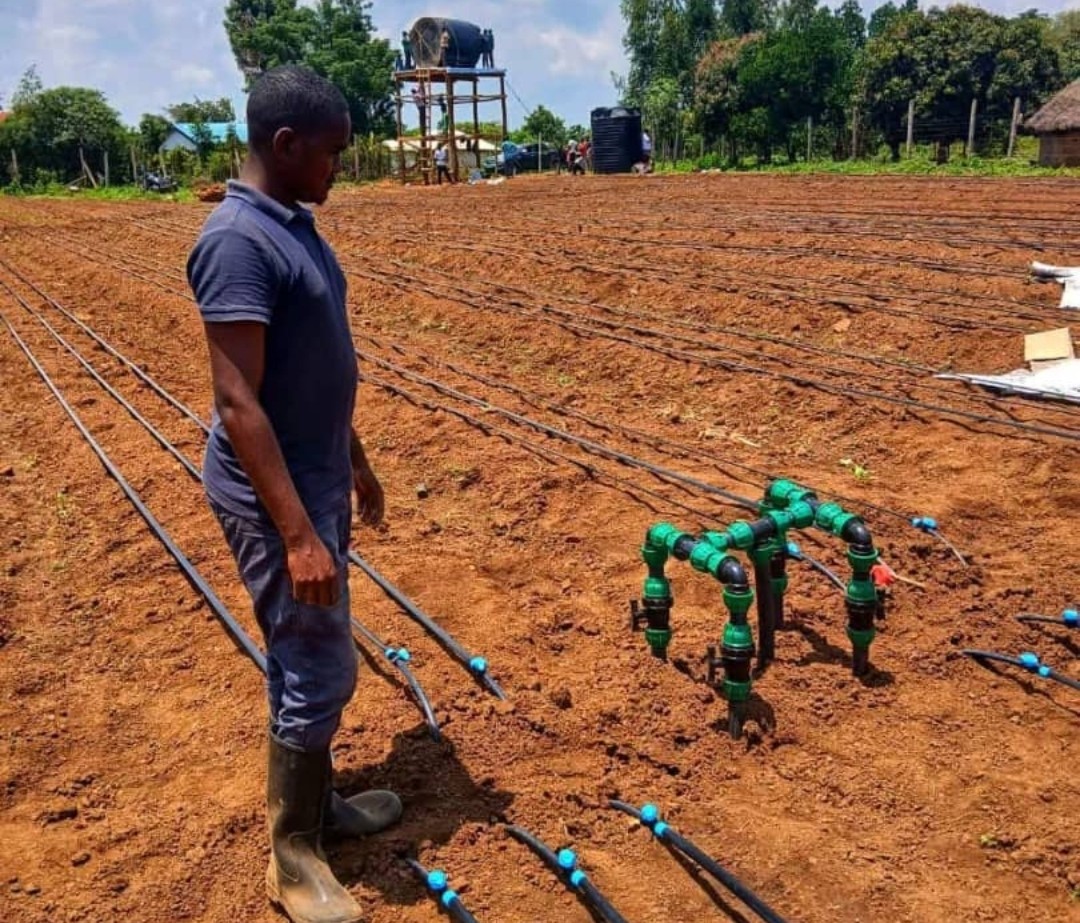
This project involved the supply and installation of a complete drip irrigation system covering a 5-acre agricultural farm owned by the Mwanza Cathedral Catholic Church in Magu District, Mwanza Region. The main objective was to enhance water-use efficiency, improve crop productivity, and support sustainable agricultural production on church-owned farmland. The intervention included the provision of high-quality drip irrigation materials and professional installation services to ensure optimal water distribution across the entire farm. The system was designed to support efficient irrigation scheduling, reduce water wastage, and improve crop growth uniformity under semi-arid conditions.
Project Phases and Key Components
The projected designed to cover phase 1, phase 2, phase 3, phase 4, phase 5 and phase 6
Phase 1
Supply of Drip Irrigation Materials. Complete drip irrigation materials were supplied, including mainlines, sub-lines, emitters, connectors, filtration units, and other accessories required for system installation.
Phase 2
Site Assessment and System Design. A site assessment was conducted to evaluate land conditions, water availability, and crop requirements, followed by the design of a suitable drip irrigation system for 5 acres of farmland.
Phase 3
Instalation of Main and Water Supply Network. Main water supply pipes and distribution lines were installed to ensure efficient movement of water from the source to different sections of the farm.
Phase 4:
Laying of Drip Lines and Emitters. Drip lines and emitters were laid across the farmland to provide controlled and uniform water delivery directly to crop root zones.
Phase 5
installation of Filtration and Pressure Regulation. Systems. Filtration units and pressure regulators were installed to remove impurities, maintain proper water pressure, and protect the irrigation system from blockage or damage.
Phase 6
System Testing and Calibration. The entire irrigation system was tested and calibrated to confirm proper water flow, uniform distribution, and optimal operational performance before full use.
Project Achievements
1. Successfully Installed Drip Irrigation System
A fully functional drip irrigation system was installed across 5 acres of farmland. The system now supports efficient and reliable water distribution for crop production.
2. Improved Irrigation Efficiency
The irrigation system significantly reduced water wastage during farming operations. Water is delivered directly to the plant root zones for maximum efficiency.
3. Enhanced Crop Growth Consistency
Controlled water application improved uniform crop growth across the farm. This contributed to healthier crops and better overall farm productivity.
4. Increased Year-Round Production Potential
The availability of irrigation supports farming activities throughout different seasons. This increased the farm’s potential for continuous crop production year-round.
5. Strengthened Sustainable Agriculture Capacity
The project improved the church farm’s ability to practice sustainable agriculture. Efficient use of water and modern irrigation methods support long-term farm productivity.
Project Impacts
The project significantly improved agricultural productivity and resource efficiency on the Mwanza Cathedral Catholic Church farm. It enabled the transition from traditional irrigation methods to modern, water-efficient drip irrigation technology. As a result, the farm became more resilient to rainfall variability and better positioned for commercial and subsistence crop production. Additionally, the project contributed to promoting climate-smart agriculture practices in Magu District by demonstrating the effectiveness of precision irrigation systems in reducing water consumption while improving yields.
Strategic Importance
This project demonstrated strong technical capacity in the design and implementation of large-scale drip irrigation systems for institutional farms. It highlighted the importance of modern irrigation technologies in improving agricultural efficiency, particularly in areas facing water scarcity or irregular rainfall patterns. The project also strengthened collaboration between agricultural service providers and faith-based institutions engaged in farming activities.
Lessons and Future Opportunities
The project revealed that drip irrigation systems significantly improved water-use efficiency and crop performance when properly designed and maintained. However, it also emphasized the need for continuous farmer training on system operation, maintenance, and scheduling to maximize benefits. Future opportunities identified included integrating fertigation systems to allow for precise application of fertilizers through irrigation lines. There is also potential for scaling similar irrigation solutions to other church-owned farms and community agricultural projects, as well as incorporating solar-powered pumping systems to further reduce operational costs.
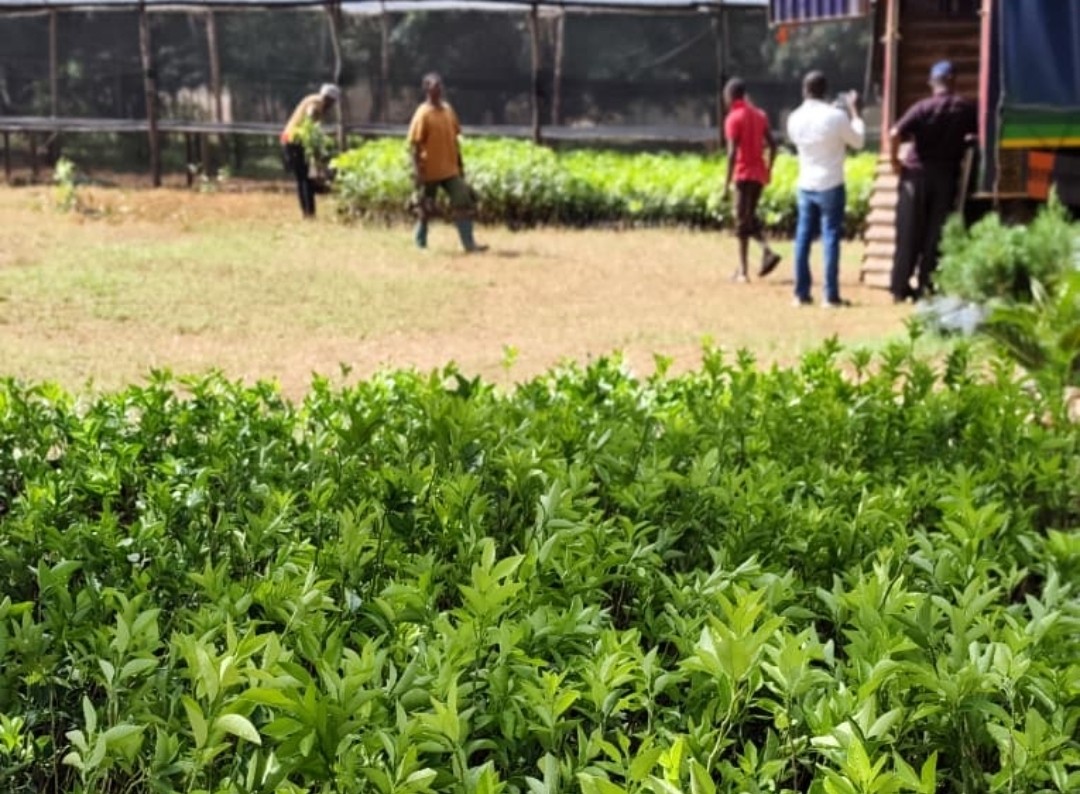
Enhancing Horticultural Production in UYUI District Through Supply Fruit Seedlings
Project Start Date
10 May, 2024
Project End Date
17 May, 2024
Category
Client
Fruit-Agripreneurs
Project Value
-
Location
Uyui District, Tabora
Project Overview
This project involved the supply of 2,500 improved mango and orange seedlings to farmers in Uyui District, Tabora Region, with the objective of promoting fruit farming, improving household nutrition, and increasing long-term farmer income through orchard establishment.
The project was implemented under Hort Germinate Farm (HGM) Phase, an enterprise specialized in high-quality fruit seedling production and horticultural support services. HGM served as the operational foundation that later inspired the formation of AgriScape Innovation Company Limited (ASI Co. Ltd), whose business concept was conceived in late 2025 as a way to expand and formalize horticultural and agricultural service delivery.
This initiative focused on improving access to quality planting materials for smallholder farmers, particularly in areas with high potential for fruit production but limited access to certified seedlings.
Impacts and Achievements
The project successfully supplied 2,500 healthy mango and orange seedlings to smallholder farmers in Uyui District, supporting the establishment of new fruit orchards and improving access to quality planting materials. It contributed to the strengthening of horticultural production within the district while also enhancing farmers’ capacity to engage in sustainable fruit cultivation. The initiative helped build trust and a strong reputation for effective horticultural service delivery, encouraging greater community participation in similar agricultural programs. In addition, it promoted diversification of farm enterprises through fruit farming, increased awareness of improved orchard management practices, and strengthened community interest in commercial fruit production as a viable livelihood option
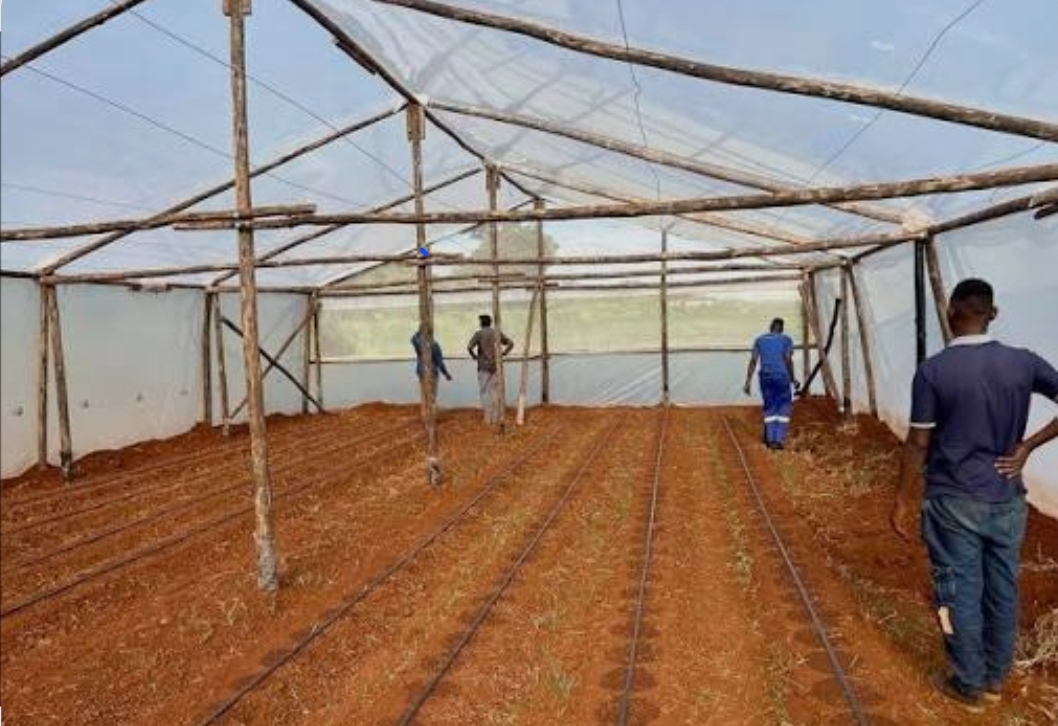
Designing and Construction of Wooden Greenhouse for Protected Horticultural Production
Project Start Date
21 Aug, 2023
Project End Date
10 Sep, 2023
Category
Client
Rehema-Horticultural Agripreneur
Project Value
-
Location
Mbalizi District-Mbeya
Project Overview
This project involved the construction of a 10m × 25m wooden greenhouse for agripreneur “Madam Rehema” in Mbalizi District, Mbeya Region. The greenhouse was designed to support protected horticultural production, enabling year-round cultivation of high-value crops under controlled environmental conditions. The use of woods as the main structural material provided a cost-effective and locally adaptable solution, suitable for smallholder and medium-scale horticultural farming systems.
Key Project Activities
The greenhouse project involved several important activities aimed at establishing a functional and productive horticultural structure. The process began with site preparation and layout design, where the selected area was cleared, leveled, and measured to ensure suitability for greenhouse installation and efficient space utilization. This was followed by the construction of a 10m × 25m wooden greenhouse structure using durable wooden materials to provide a stable framework capable of supporting greenhouse operations.
After the structural framework was completed, greenhouse covering materials were installed to create a controlled environment that protects crops from excessive rainfall, strong winds, pests, and extreme temperatures while supporting favorable growing conditions. Ventilation and access systems were then integrated into the greenhouse to improve air circulation, regulate internal temperature, and allow easy movement for management activities. Finally, internal growing beds were prepared and arranged systematically to support horticultural production through efficient planting, irrigation, crop management, and maintenance practices.
Expecetd Impacats
The project expected to have a strong and long-term impact on agricultural development by improving productivity, crop quality, and farmer incomes through the use of greenhouse technology. By enabling controlled environment farming, it's expected to reduce crop losses caused by pests and adverse weather while supporting the production of high-value vegetables and seedlings for better market returns. The initiative is also expected to strengthen the adoption of modern greenhouse farming practices in the Mbeya Region by demonstrating practical and scalable protected agriculture models for smallholder farmers. Overall, it will contribute to climate-resilient agriculture by promoting sustainable farming systems that ensure stable production, efficient resource use, and improved food security.
Strategic Importance
This project demonstrated practical expertise in the construction of greenhouses using affordable wood-technology, which made protected agriculture more accessible to smallholder farmers. It also highlighted the adaptability of agricultural infrastructure solutions to local contexts, available resources, and varying budget levels. Through this approach, the project contributed to promoting cost-effective and scalable greenhouse farming systems that can be replicated in similar settings.
Lessons and Future Opportunities
The implementation of the project revealed that wooden greenhouses were cost-effective solutions; however, they required strong maintenance planning to ensure long-term durability and performance. It also identified opportunities for integrating drip irrigation systems within greenhouse structures to improve water efficiency and crop productivity. In addition, the project emphasized the need for farmer training on greenhouse management practices, including crop selection and production scheduling. Furthermore, it opened up possibilities for expanding into commercial greenhouse clusters aimed at supporting market-oriented horticultural production and strengthening agribusiness value chains.
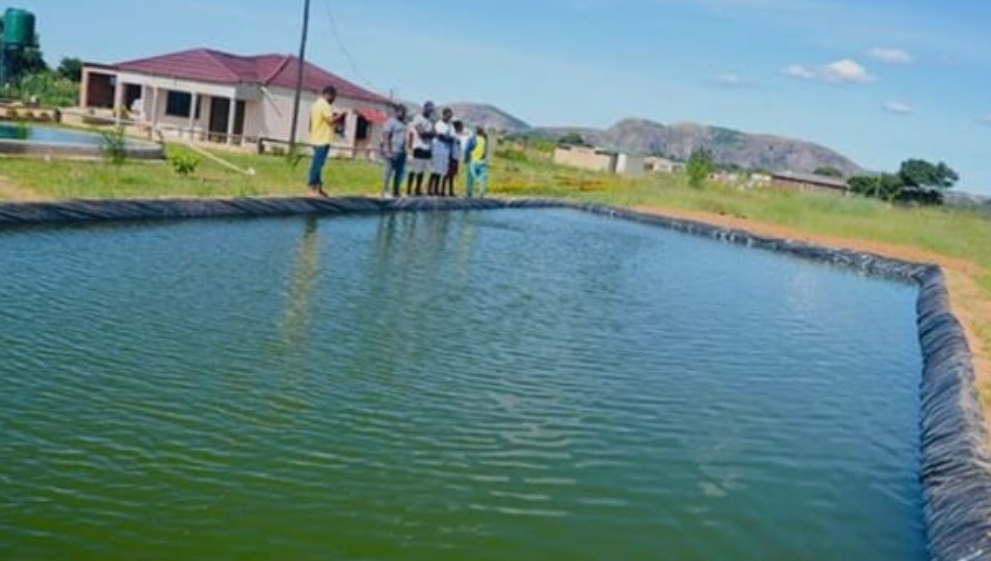
TARI Ifakara Aquacultural Pond Designing and Construction
Project Start Date
11 Jul, 2023
Project End Date
18 Jul, 2023
Category
Client
SAT-TARI Ifakara
Project Value
-
Location
Ifakara, Morogoro
This project involved the construction of a 10m × 10m fish pond at TARI Ifakara to support aquaculture research and farmer training under the Sustainable Agriculture Tanzania (SAT) program. The intervention was implemented to strengthen institutional capacity in aquaculture development and provide a practical facility for demonstrations, experimentation, and farmer learning.
The project included site preparation, excavation of the pond, and structural shaping to ensure proper water retention and operational efficiency. The pond was designed to support sustainable fish farming practices and to serve as a controlled environment for testing aquaculture management techniques such as stocking densities, feeding regimes, and water management practices.
Overall, the initiative aimed to enhance knowledge transfer between researchers and farmers, promote adoption of improved aquaculture technologies, and contribute to the development of sustainable fish production systems within the region
Project Key Components
The fish farming project at Ifakara involved several key components that ensured successful pond establishment and fish production. The process began with careful site selection and pond design, where factors such as reliable water supply, suitable soil, proper drainage, accessibility, and environmental safety were considered before designing a 10m × 10m pond.
This was followed by excavation and shaping of the pond, including land clearing, digging, leveling, and construction of strong embankments to retain water and prevent erosion. Water inlet and outlet systems were then installed to control water flow, maintain water quality, and support pond drainage during cleaning and harvesting. Finally, preparation for stocking and management included pond cleaning, liming, fertilization, filling the pond with clean water, and preparing healthy fingerlings and management practices such as feeding, monitoring, and disease control to ensure effective fish farming operations.
Project Achievements
1. Strengthened aquaculture research capacity at Tanzania Agricultural Research Institute (TARI)
The project improved research activities by providing a practical fish farming facility for conducting aquaculture experiments, demonstrations, and data collection.
2. Provided a training platform for farmers and extension officers
The fish pond served as a learning site where farmers and agricultural extension officers gained practical knowledge and skills in fish farming techniques and pond management.
3. Improved fish production potential in the region
The project promoted efficient fish farming practices that can increase fish production, improve food availability, and support income generation within the region.
4. upported sustainable agriculture initiatives
The project encouraged environmentally friendly farming practices by integrating aquaculture into sustainable agricultural development and efficient use of natural resources.
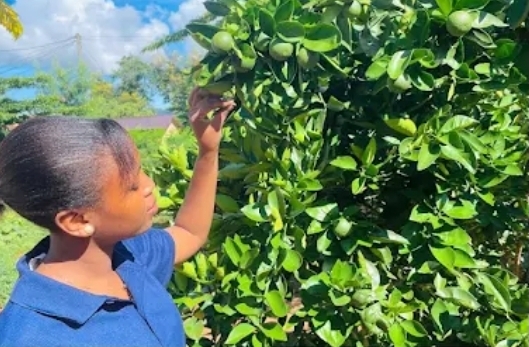
Promoting Sustainable Fruit Production to Smallholder Farmers: UYUI District Project-Tabora
Project Start Date
15 May, 2023
Project End Date
26 May, 2023
Category
Client
Smallholder Farmers
Project Value
-
Location
Uyui District, Tabora
Project Description
This project involved the supply and distribution of 3,000 improved fruit seedlings, specifically mango and orange, to farmers in Uyui District, Tabora Region. The intervention was implemented to promote sustainable fruit production and strengthen horticultural development among smallholder farmers in the area.
The project focused on improving access to high-quality planting materials, enabling farmers to establish productive orchards that would contribute to long-term food security and income generation. The distributed seedlings were carefully selected for their adaptability, productivity, and market demand potential.
In addition to seedling supply, the initiative supported farmers with basic guidance on proper planting techniques, spacing, and early-stage orchard management to enhance survival rates and ensure successful establishment.
Overall, the project contributed to agricultural diversification, improved household nutrition, and increased opportunities for future income through fruit sales and value chain development. The project was implemented under Hort Germinate Farm (HGM) Phase,
Key Project Activities
The project focused on the preparation of high-quality mango and orange seedlings using certified nursery practices to ensure healthy and disease-free planting materials suitable for Uyui District. Efficient transportation and logistics arrangements were implemented to guarantee the safe and timely delivery of the seedlings to beneficiaries. The project also facilitated the organized distribution of seedlings to selected smallholder farmers, farmer groups, and community members to promote horticultural development and improve access to quality planting materials. In addition, farmers received basic technical guidance on planting methods, spacing, watering, and early orchard management practices to support successful establishment and sustainable fruit production.
Achievements and Impacts
The project supported the establishment of smallholder fruit orchards by providing quality mango and orange seedlings to farmers in Uyui District, thereby promoting long-term investment in perennial agriculture. The increased availability of fruit trees contributed to improved household nutrition through better access to fresh fruits while also creating future income-generating opportunities from fruit sales. In addition, the initiative encouraged farmers to diversify from dependence on annual crops, helping to strengthen the resilience of farming systems in semi-arid areas. The project further increased awareness and adoption of improved fruit varieties and enhanced farmers’ understanding of sustainable horticultural practices for long-term agricultural development.
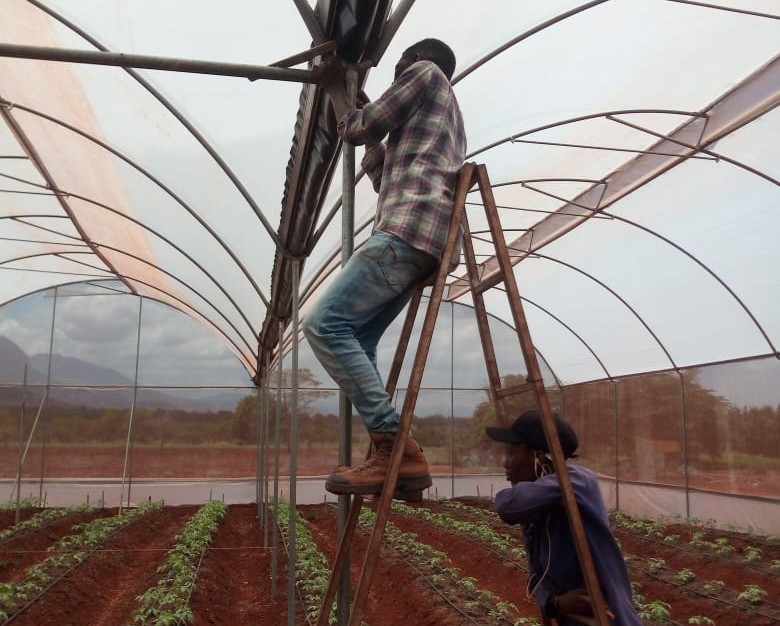
Restoration Project: National Sugar Institute (NSI) Training Structures
Project Start Date
21 Jul, 2021
Project End Date
31 Jul, 2021
Category
Client
NSI-Morogoro
Project Value
-
Location
Morogoro
Project Description
This project involved the repair and restoration of two existing green houses at the National Sugar Institute (NSI). The intervention aimed to restore the functionality of the structures to support continued use in protected crop production, research, and training activities. Over time, the green houses had experienced wear and damage affecting their efficiency in pest control, microclimate regulation, and overall crop productivity. The restoration project focused on upgrading the structures to meet operational standards and extend their lifespan.
Project Key Activities
The project involved the assessment of structural damage and repair needs of the greenhouses, followed by necessary maintenance activities. Worn-out netting materials were replaced to ensure effective protection and functionality. Supporting frames and other structural components were repaired to restore stability and safety. Entry systems were also restored to ensure proper pest exclusion and controlled access. In addition, internal growing conditions were improved to support better experimental and plant growth environments.
Project Impacts
1. Increased efficiency in protected cultivation systems
The restoration work improved the overall functionality of the grreenhouses, enabling more efficient controlled cultivation. Better structural integrity and pest exclusion enhanced operational performance. This resulted in smoother management of experimental and training activities.
2. Improved quality and yield of horticultural crops
Upgraded growing conditions supported healthier plant development and reduced pest-related losses. Consistent environmental control contributed to improved crop quality. As a result, higher and more reliable yields were achieved.
3. Strengthened capacity for agricultural training and research
The improved facilities provided a better learning and research environment for students and trainees. Enhanced infrastructure supported more effective hands-on training and experimentation. This strengthened the institute’s overall capacity for agricultural innovation.
4. Cost-effective structural maintenance practices
Timely repair and restoration reduced the need for costly future replacements. Preventive maintenance extended the lifespan of existing structures. This promoted more efficient and sustainable use of institutional resources.