-
-
-
P.O. Box 1277, Morogoro
Restoration Project: National Sugar Institute (NSI) Training Structures
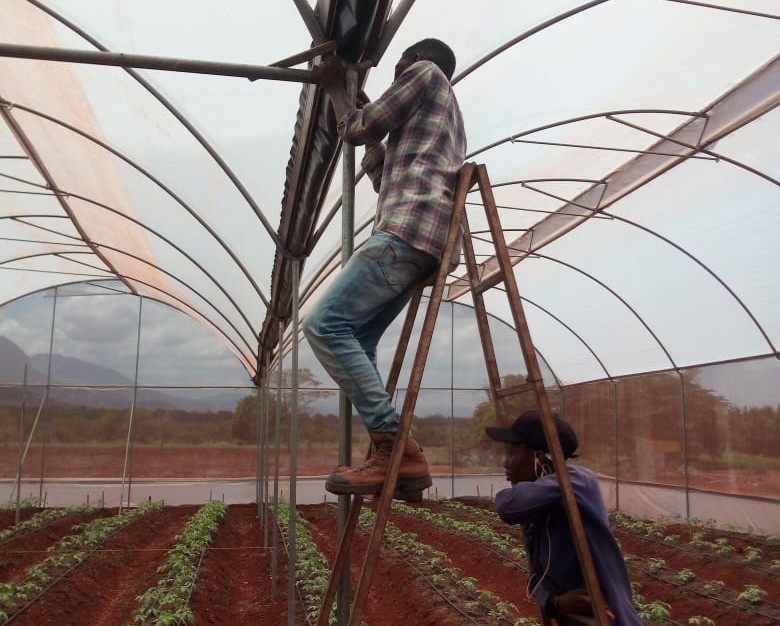
Restoration Project: National Sugar Institute (NSI) Training Structures
Project Description
This project involved the repair and restoration of two existing green houses at the National Sugar Institute (NSI). The intervention aimed to restore the functionality of the structures to support continued use in protected crop production, research, and training activities. Over time, the green houses had experienced wear and damage affecting their efficiency in pest control, microclimate regulation, and overall crop productivity. The restoration project focused on upgrading the structures to meet operational standards and extend their lifespan.
Project Key Activities
The project involved the assessment of structural damage and repair needs of the greenhouses, followed by necessary maintenance activities. Worn-out netting materials were replaced to ensure effective protection and functionality. Supporting frames and other structural components were repaired to restore stability and safety. Entry systems were also restored to ensure proper pest exclusion and controlled access. In addition, internal growing conditions were improved to support better experimental and plant growth environments.
Project Impacts
1. Increased efficiency in protected cultivation systems
The restoration work improved the overall functionality of the grreenhouses, enabling more efficient controlled cultivation. Better structural integrity and pest exclusion enhanced operational performance. This resulted in smoother management of experimental and training activities.
2. Improved quality and yield of horticultural crops
Upgraded growing conditions supported healthier plant development and reduced pest-related losses. Consistent environmental control contributed to improved crop quality. As a result, higher and more reliable yields were achieved.
3. Strengthened capacity for agricultural training and research
The improved facilities provided a better learning and research environment for students and trainees. Enhanced infrastructure supported more effective hands-on training and experimentation. This strengthened the institute’s overall capacity for agricultural innovation.
4. Cost-effective structural maintenance practices
Timely repair and restoration reduced the need for costly future replacements. Preventive maintenance extended the lifespan of existing structures. This promoted more efficient and sustainable use of institutional resources.