-
-
-
P.O. Box 1277, Morogoro
Fruit Tree Seedlings Supply and Orchard Establishment Project: DMI Sisters Farm
Fruit Tree Seedlings Supply and Orchard Establishment Project: DMI Sisters Farm
Project Description
This project involved the supply and establishment support of 6,000 improved fruit tree seedlings to the DMI Sisters Farm located in Visiga, Mlandizi, Pwani Region. The initiative was implemented over a period of one year with the objective of enhancing fruit production, supporting sustainable land use, and strengthening the farm’s long-term agroforestry and income-generating capacity. The project focused on improving access to high-quality planting materials and ensuring proper establishment of fruit orchards through structured distribution and technical support. It contributed to the development of a diversified and climate-resilient farming system within the farm.
Project Key Activities
1. Sourcing and Nursery Preparation of Seedlings
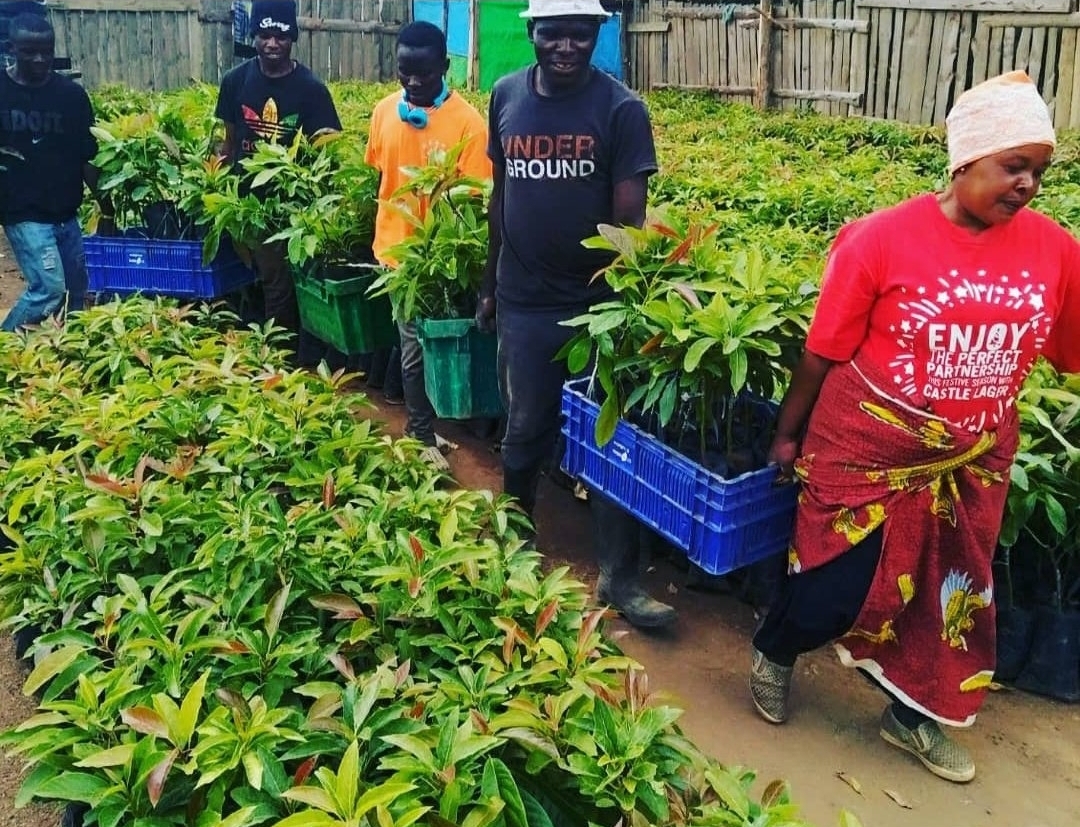
The project sourced and prepared 6,000 high-quality improved fruit tree seedlings from reliable nurseries. The seedlings were inspected, sorted, and prepared properly to ensure healthy planting materials and high survival rates.
2. Transportation and Delivery of Seedlings
The seedlings were carefully transported and delivered to the farm site using proper handling methods. This helped protect the seedlings from damage and maintained their quality during transit.
3. Orchard Layout Planning on the Farm
The farm was planned and marked systematically to ensure proper orchard layout and spacing. Seedlings were distributed strategically to support efficient farm management and healthy tree growth.
4. Orchard Establishment and Management
Technical support was provided on proper planting methods, spacing, watering, and early tree management practices. This guidance helped improve orchard establishment and promote healthy seedling development.
5. Ongoing Advisory Support
During the establishment period continuous technical and advisory support was provided throughout the establishment phase of the orchard. Regular farm visits helped address challenges and ensure proper management practices were followed.
6. General Farm Monitoring
Over one year, the project monitored seedling survival and growth performance over a one-year period. Regular assessments helped evaluate orchard progress and identify areas needing improvement.
Project Achievements
1. Successfully Supplied and Established 6,000 Fruit Tree Orchard
The project successfully supplied and planted 6,000 fruit tree seedlings at the farm. This establishment created a strong foundation for long-term orchard development and future fruit production activities.
2. Improved Orchard Establishment and Survival Rates
Through Technical Support Technical guidance was provided on proper planting, irrigation, spacing, and maintenance practices. This support improved seedling survival rates and ensured healthy growth and proper orchard establishment.
3. Strengthened the Farm’s Capacity for Long-Term Fruit Production
The project enhanced the farm’s ability to sustain continuous fruit production in the future. Proper orchard planning and management practices contributed to improved agricultural productivity and sustainability.
4. Enhanced Agroforestry Practices within the DMI Sisters Farm
The integration of fruit trees into the farming system promoted agroforestry and environmental conservation practices. This helped improve land use efficiency, soil protection, and overall ecological sustainability on the farm.
5. Increased Potential for Future Fruit-Based Income Generation
The established orchard created opportunities for future income through the sale of fruits and related products. This can support economic sustainability and improve the farm’s long-term financial capacity.
Project Impacts
The project significantly contributed to the development of a sustainable fruit production system at the DMI Sisters Farm. It improved land utilization through perennial crop establishment and promoted environmental conservation through tree planting. Over time, the established orchards are expected to provide both nutritional and economic benefits through fruit harvesting and sales. Additionally, the project supported climate-smart agriculture by increasing tree cover, improving soil health, and enhancing ecological balance within the farm ecosystem.
Strategic Importance
This project demonstrated strong capacity in large-scale fruit seedling supply, orchard establishment, and long-term agricultural support services. It highlighted the importance of integrating technical guidance with input supply to ensure successful plantation establishment. The project also reinforced the role of institutional farms in promoting sustainable agriculture and community development.
Lessons and Future Opportunities
The implementation of this project showed that successful orchard establishment depends not only on seedling supply but also on continuous technical support and proper farm management practices. It emphasized the importance of monitoring seedling survival rates and providing early-stage care to improve long-term productivity. Future opportunities include expanding into full orchard development packages, integrating irrigation systems for fruit farms, and introducing value chain development initiatives such as fruit processing and marketing support. There is also potential for scaling similar agroforestry projects to other institutional and community farms across the region.